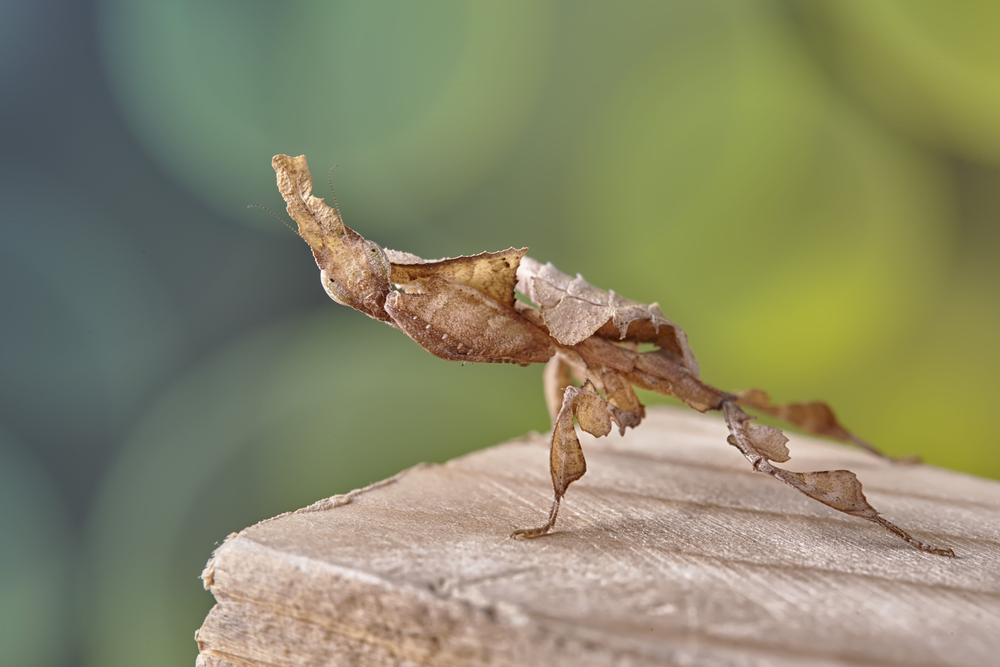
The ghost mantis (Phyllocrania paradoxa) is native to Africa and the island of Madagascar.
Enclosure & Housing
- Size & Dimensions: The enclosure should be at least 3 times the height and 2 times the width/depth of the mantis (a small tub, fruit fly cup for nymphs, or a ~20 x 20 x 30 cm terrarium for an adult).
- Hanging & Molting: They hang upside down to rest and molt. Always ensure there is a mesh top (like organza or plastic mesh) and vertical twigs or fake plants to climb on.
- Substrate: Use coco-coir, sphagnum moss, or paper towel to help retain a little moisture.
- Communal Housing: While slightly less cannibalistic than other species, keeping them together is generally not recommended due to the risk of fatal confrontations if food runs low.
Temperature & Humidity
- Temperature: Keep daytime temperatures around 25–27°C (tolerates 20–30°C), dropping slightly at night but never falling below 18°C. Room temperature is often sufficient if your house is warm enough.
- Humidity: Maintain a relative humidity of 60% to 80%. Mist the enclosure walls or mesh gently a few times a week with bottled spring or dechlorinated water, avoiding spraying the mantis directly or creating a swampy floor.
Diet & Feeding
- Prey Type: They are ambush predators that exclusively eat flying insects (they do not chase ground prey like crickets).
- Nymphs (L1–L3): Small and large fruit flies (Drosophila melanogaster or Drosophila hydei).
- Older Nymphs & Adults (L4+): Houseflies, green bottles, or blue bottle flies.
- Feeding Schedule: Feed roughly every 2 to 3 days, judging true hunger by checking if the abdomen is flat or plump rather than following a strict calendar. Avoid feeding for about 4–5 days right after a molt while their new exoskeleton hardens.